

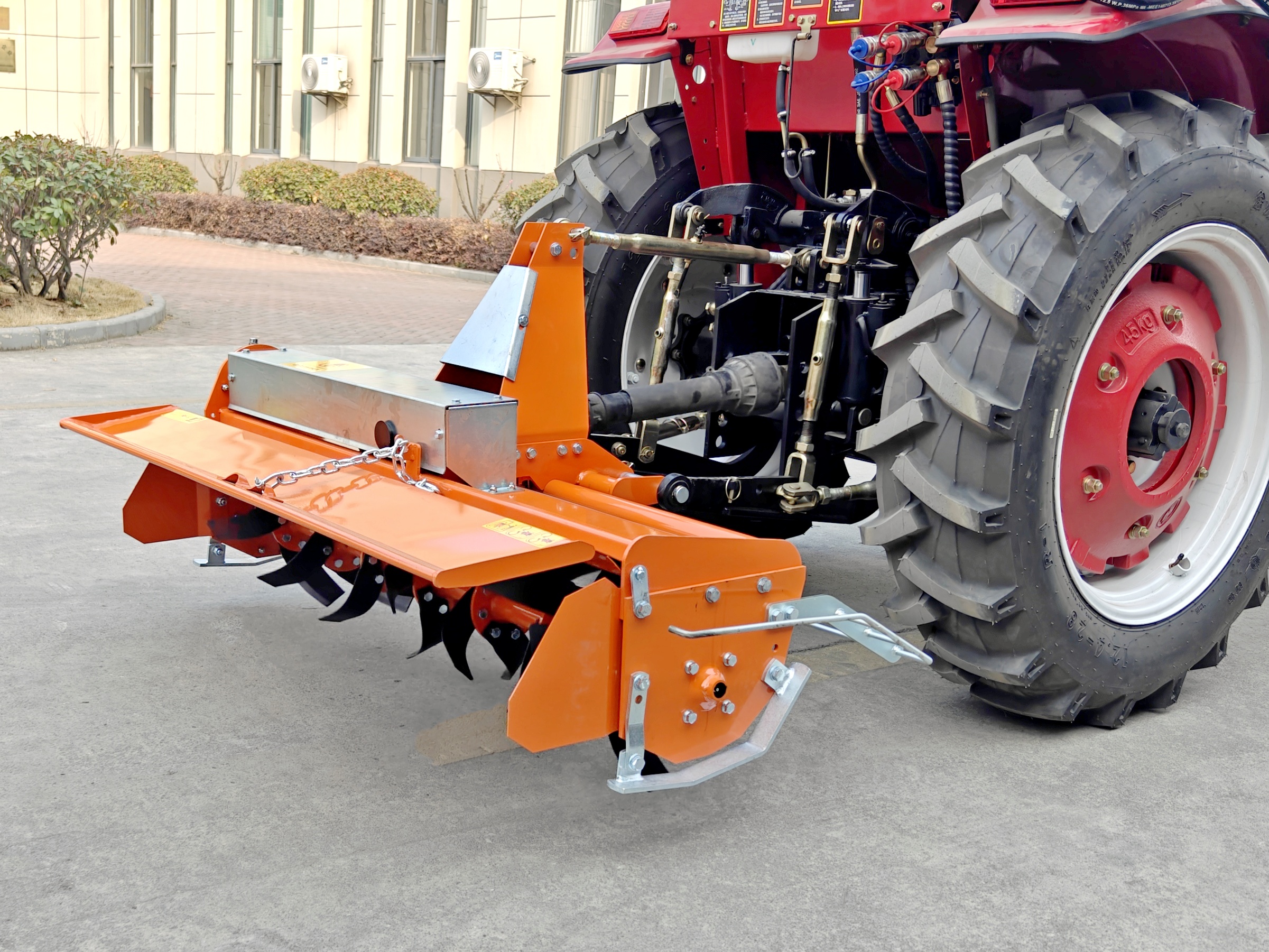
Spring is the best season for rotary tiller because the soil is usually soft, dry, and has an ideal consistency and moisture content. Rototillage can also be used in late summer to prepare for fall planting.
During the coldest months, rototilling aids in seedbed preparation because it reduces soil compaction and increases its absorption of rainwater. In addition, the process enriches the soil with nitrogen from the atmosphere, increasing soil porosity, which is essential for seed sowing.
Generally, rotary tillers are used for the following purposes:
Soil preparation: A tractor rototiller loosens and aerates the soil, making it suitable for growing crops. This is essential for creating a good seedbed and helps seeds germinate and root better.
Weeding: By cutting and burying weeds, rototillage helps manage and reduce weed growth in farm fields.
Adding soil amendments: Rototillage can evenly mix fertilizer, compost, and other soil amendments into the soil, improving soil fertility and structure.
Landscaping: Rototillage is used in landscaping to prepare lawns and gardens by breaking up hard ground and incorporating organic matter.
Residue Management: After harvest, crop residues can be chopped up and mixed back into the soil using a rototiller, which helps maintain soil organic matter and fertility.
Ground Leveling: They can also help level uneven ground, making it more suitable for planting and irrigation.